
What Is A Hostel & Why Should You Stay At One?
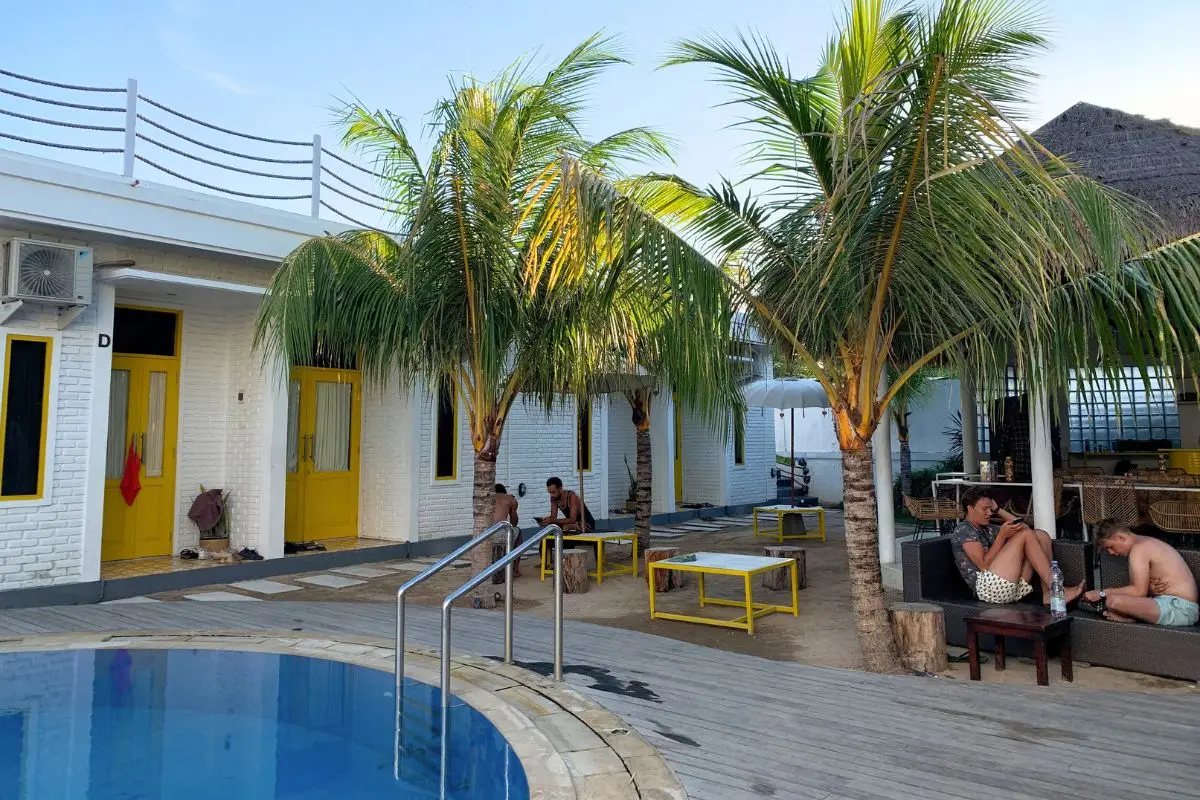
Hostels are widely known around Europe, Asia and most of the world as a valuable tool for the travel community. I had never heard of hostels as an American until I set off for my first solo trip in my 20’s, and from then on they have been my favorite choice of accommodation while traveling solo.
I wrote this blog to clear up any confusion on the question “what is a hostel” for first time solo travelers like myself, especially for Americans who may not know what they are. Hopefully some day the US will have many more hostels for solo travelers to enjoy. Cheers!
What Is A Hostel? Hostel Definition
A hostel is a type of accommodation with a variety of discount options for travelers to help make long term travel more feasible, usually including a shared room with twin beds or bunk beds you can rent for the night as opposed to an entire room at a traditional hotel.
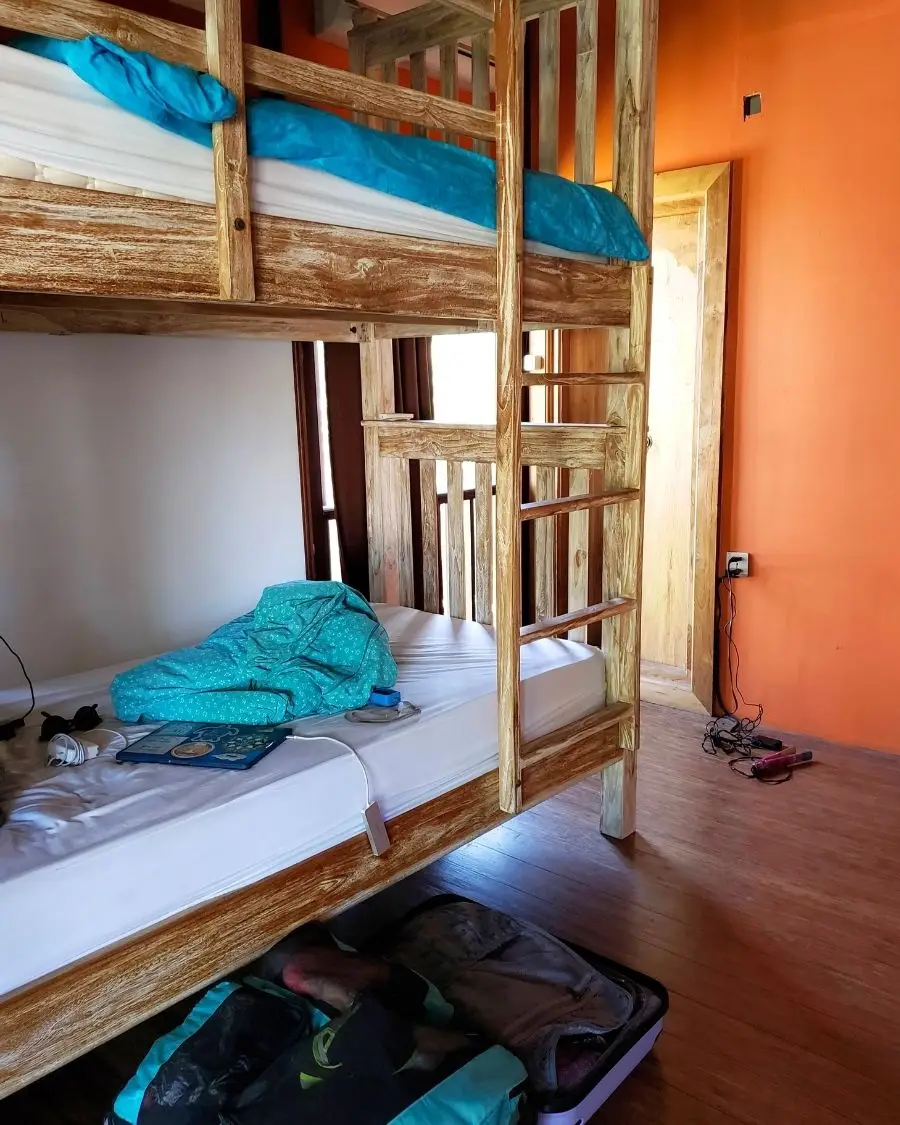
While this is true, some hostels do have private rooms available, but they are usually scarce, very bare bones compared to typical hotel rooms, and not as good of a deal.
While the main difference of hostels versus hotels is that you’re renting a bed or simple room versus a larger, more luxurious hotel room, there are some more differences that draw certain travelers to hostels.

One is that hostels typically also have a few common areas that are meant to bring fellow travelers together. Another is that hostels often offer things to help make your stay more convenient like discounted tours, free things to use, and sometimes free meals.
History of Hostels
The history of hostels combines roots in both youth hostels and backpacking hostels.
Youth hostels were started in Germany as places for students to stay while they got an education to experience travel and nature safely. Backpacker hostels were started sometime alongside the hippie trail in the 1970’s.
From there hostels popped up worldwide and Hostelling International was formed.
Are there hostels in the US?
There are a few hostels in the US’s major cities, and a few in smaller destinations, but hosteling never made its way to the US quite like other parts of the world.
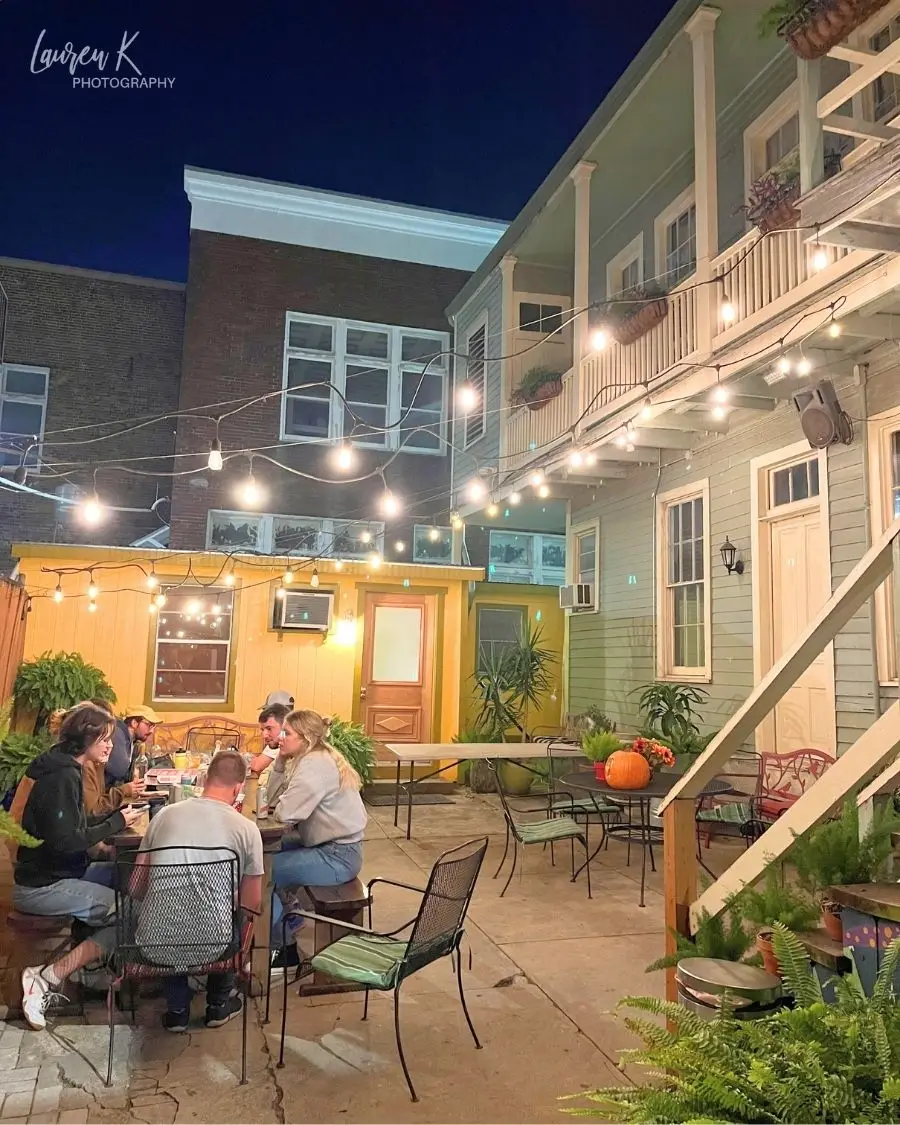
This is because the US never developed a cheap train or bus system, largely because the country is so spread out. Hence there isn’t much demand for backpacking or hostels.
Different Types of Hostels
There are a bunch of different types of hostels you’ll find, while there are also plenty of general hostels that don’t have a “type”. To get a better feel for what to expect, check their description and reviews on Hostelworld.
- Party hostels: Tend to be a younger crowd with nightly parties, loud & social atmosphere and lots of drinking.
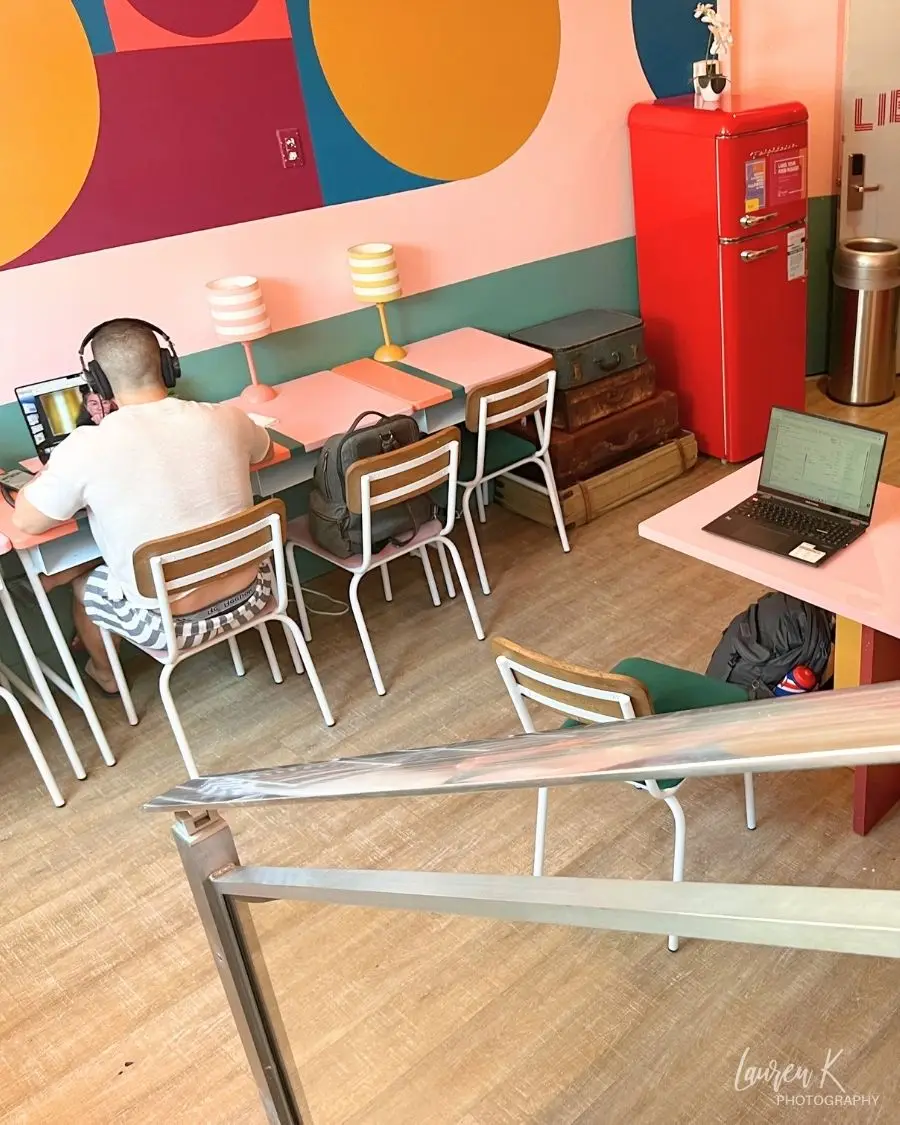
- Coworking hostels: Usually have a common area for working and strong, reliable WiFi. Also a more quiet atmosphere that allows for work and sleep on a more typical schedule
- Surf hostels: Self explanatory
- Family hostels: Hostels where children are welcomed
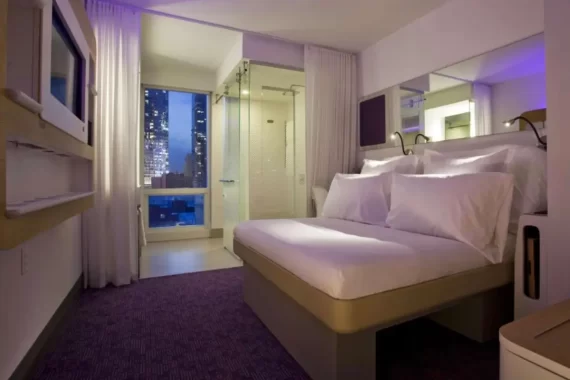
- Pod hostels: Hostels where instead of traditional beds or bunk beds, you’re renting a capsule-like space with a little more privacy. I wrote a blog on the pros and cons of pod hostels here.
What are the benefits of staying in a hostel?
The main benefit to staying in a hostel is a more affordable accommodation option for travelers offering lower costs per night for a bunk bed or basic private room, which offer less amenities & comforts than standard hotel rooms.

Other benefits:
- Communal vibe: Common rooms and communal spaces make social interaction and meeting new people easy
- Group activities: Often hostel staff members will organize excursions with travel guides and social events for guests
- Free or cheap meals: Hostels often include free breakfast and shared kitchen facilities where you can cook your own meals
- Overall difference experience: If you’ve never stayed in a hostel, a lot of the time you will get an entirely different experience than you would af a hotel or Airbnb, which is what travel is all about right?!
What are the downsides of staying in a hostel?
The main downsides of staying in a hostel are that you will not get as much personal space and will have fewer amenities compared to other accommodation options.
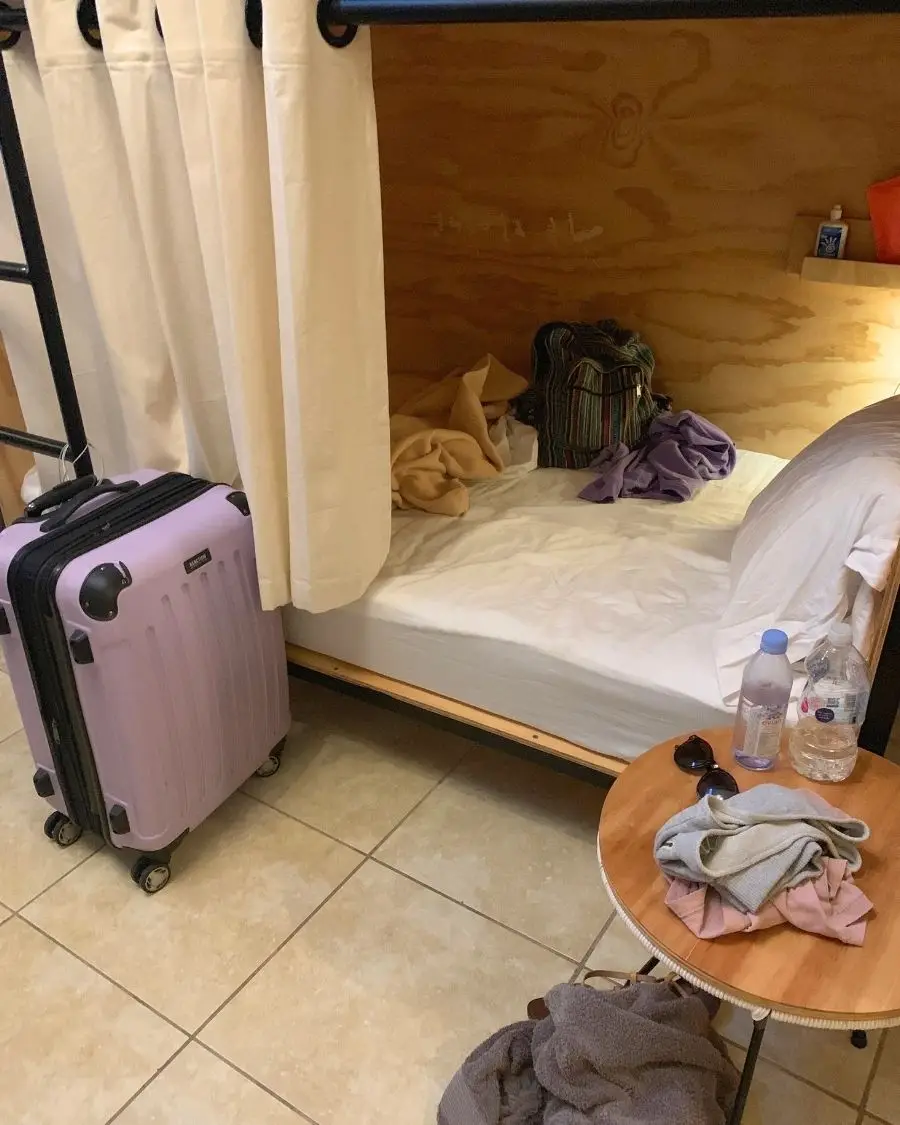
For example, a good example of fewer amenities is that in a typical hotel room you’ll have towels, housekeeping, room service, control of the air temperature, and maybe even a balcony. You usually won’t find any of this in your typical hostel private room, and certainly not in shared dormitory-style rooms.
Other downsides:
- Fewer amenities: Along with there being fewer amenities in the rooms themselves, you’ll also find less amenities in terms of fitness, amusements etc. Your hostel may have a pool but it’s likely to be a lot smaller than the hotel pool you’re used to. Hostels also don’t usually have a gym, business center, etc.
- Younger guests: Hostels tend to be more popular with young people. This means if you’re in your 30’s or beyond, you may feel old when staying at a hostel. In my experience this is getting better – but if you’re worried, stay away from party hostels
- No private bathrooms: Hostel rooms usually offer a shared bathroom in dormitory-style rooms. While private rooms sometimes have private bathrooms, more often than not they will also require you to use a shared bathroom. I don’t mind this except for how you have to wait your turn for the showers a lot of the time, and then you feel rushed once you’re in
- Slow Wi-Fi: Compared to hotels, wi-fi in hostels tends to be a bit of an after thought and you may not get good signal in certain parts of the hostel
- Loud: Hostels tend to be loud. Not always, especially if you aren’t staying at a party hostel, but regardless if you’re staying in a dorm you run the risk of being woken up in the middle of the night by someone coming back late. If you’re a light sleeper, make sure to bring ear plugs or sound cancelling headphones with you
- Safety: They are technically less safe than hotels because you are staying in the same room as people you don’t know. That being said, I’ve never had any safety issues in any hostels I’ve ever stayed in, and I’ve never heard stories of anything concerning either. Hostels typically do an amazing job with security, from locked doors to monitoring who comes in and out, etc.
How much does it cost to stay at a hostel?
Hostels vary greatly in cost depending on where they are in the world. In general you can expect to pay between $10 to $60 USD for a bunk bed at a hostel. Simple hostels in places like Southeast Asia toward the cheapest end, and modern hostels in big cities with more amenities toward the high end.
Who are hostels best for?
Hostels are ideal for budget-conscious travellers who have a tight budget, or for anyone who wants to stretch their travel dollars as far as possible. This means they’re also ideal for long term travelers who want to see a variety of places.
Coworking hostels are a great option for digital nomads, since they offer the social opportunities of your typical hostel with stronger and more reliable WIFI.
Lastly, hostels are great for solo travelers who are looking to meet some new friends, or anyone who would like to have some cool conversations with people from around the world.
Ready to book your first hostel stay for your next trip? Check out my blog on the top hostel tips to make sure you’re fully prepared.

Lauren Kessel
Lauren Kessel is the author of this blog post and the creator of the Inspired Backpacker travel blog. She is a passionate digital nomad, with the mission to make slow travel a more accessible way of life for everyone. Lauren believes travel is an important means of education and more importantly, a way for people of different cultures to come together and understand each other better. She has a BS in Tourism and has planned countless domestic and international trips for herself, her family and friends, having visited over 12 countries and 30 states so far.



No Comments